Need help? Click to chat with us!
Chat with us on WhatsApp

Recommended Affiliates

Blog

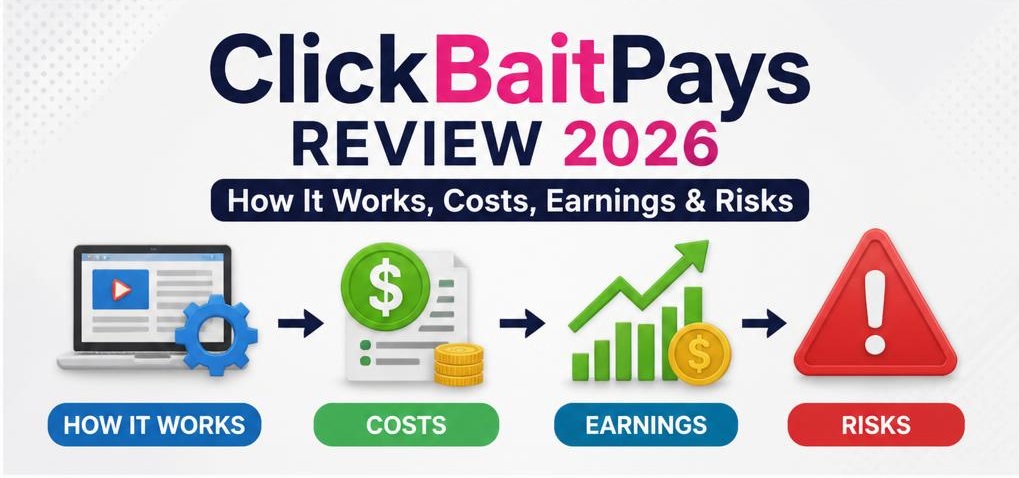
ClickBaitPays Review 2026: How It Works, Costs, Earnings And Risks

Published On - October 26,2026

Introduction: An Honest ClickBaitPays Review

If you are searching for a ClickBaitPays review , you probably want to know how the platform works, whether its earning model is practical, and what to consider before joining.

ClickBaitPays is an online paid-to-click (PTC) advertising platform. According to its official website, advertisers purchase advertising campaigns to attract visitors, while members can earn cryptocurrency by viewing eligible advertisements. The platform also offers commissions for direct referrals.

At first glance, the model may appeal to people interested in online advertising or cryptocurrency-based rewards. However, the important questions involve more than the advertised earning figures. Participants should understand the initial campaign cost, activation fee, withdrawal charges, payment timeline, and uncertainty surrounding actual financial results.

This review examines the platform's published information and highlights practical considerations for prospective users. It does not assume that advertised earnings are guaranteed or that the platform is necessarily fraudulent. Instead, it separates the company's stated terms from independently verified financial outcomes.

1. What Is ClickBaitPays?

ClickBaitPays is a website that connects advertising campaigns with users who view advertisements. Its business model has two main sides.

  • Advertisers: Businesses or individuals can purchase campaigns to promote websites and generate visits from platform members.
  • Ad viewers: Members can purchase a campaign, activate the relevant level, view advertisements according to the platform's rules, and receive cryptocurrency rewards as described in the official terms.

The website also advertises a 10% commission on eligible clicks made by direct referrals. According to its FAQ, referrals are optional rather than a requirement for earning through a member's own advertising campaign.

You can review the platform's current description on the official ClickBaitPays website.

One important distinction is that advertising traffic is not automatically equivalent to valuable customers. Advertisers should consider whether visitors are relevant to their websites and whether the traffic generates meaningful engagement or conversions.

Likewise, members should not assume that completing ad-viewing tasks automatically results in a net financial profit.

2. How Does ClickBaitPays Work?

The official FAQ describes a process involving registration, cryptocurrency funding, campaign purchase, activation, and daily ad viewing.

Step 1: Create an account

The platform states that registration is free. Its registration instructions require users to follow specific account rules, including restrictions on VPN use during signup. Before registering, read the current terms and account requirements.

Step 2: Fund your account

ClickBaitPays uses cryptocurrency for account funding. The official FAQ describes a payment process through a third-party payment provider and instructs members to send the specified amount to the unique address generated for each deposit. Cryptocurrency transfers require care. Sending the wrong amount or using an incorrect wallet address can result in lost funds, and completed transactions may be difficult to reverse.

Step 3: Purchase and activate an advertising campaign

After funding the account, members select a campaign level and purchase the campaign. The platform also requires a one-time activation fee for the selected level before the member can begin earning through ad clicks. Therefore, free registration should not be confused with free participation in the earning program.

Step 4: View advertisements

Members can access the Click Ads section and complete the required viewing activity. The official FAQ states that members receive 90% of the applicable cost per click, with the amount depending on their campaign level.

Step 5: Wait for earnings to become available

The platform's FAQ describes a 12-day campaign followed by a seven-day hold before earnings move into the available balance. Its separate How It Works page describes an 18-day holding period. Because these descriptions differ, users should confirm the current campaign and release schedule directly with the platform before spending money.

3. ClickBaitPays Costs and Fees

Understanding the full cost structure is essential when evaluating the ClickBaitPays business model.

The official FAQ identifies several conditions:

  • Registration: Advertised as free.
  • Campaign purchase: Required to participate in campaign-based earning activity.
  • Activation fee: A one-time fee applies to the selected campaign level.
  • Minimum withdrawal: The FAQ lists 10 USDT.
  • Withdrawal fee: The FAQ lists a 10% fee.
  • Withdrawal frequency: Requests can be submitted once per week.
  • Processing: Withdrawals are processed manually by the platform's administration team.

These are published terms, not independent verification that every withdrawal will be completed successfully. Confirm the current conditions before depositing funds.

Calculate net earnings, not just displayed rewards

A displayed account balance does not necessarily represent profit or money already received.

To evaluate the economics, consider the campaign purchase price, activation fee, withdrawal fee, cryptocurrency network costs, and any other applicable expenses. Also consider how much time you spend completing the daily tasks.

A campaign can show positive advertised earnings while still being unattractive after costs, delays, and risks are considered. A sensible decision requires reviewing the entire process rather than focusing on the per-click amount alone.

4. Can You Make Money With ClickBaitPays?

ClickBaitPays states that members can earn cryptocurrency by viewing advertisements and may receive additional commissions from direct referrals. However, the existence of an earning mechanism does not establish that participants will consistently make a profit. Actual financial outcomes depend on the current platform rules, eligible activity, costs, withdrawal conditions, and whether the platform processes payments as expected.

The official FAQ states that direct referrals generate a 10% commission on their eligible clicks. It also says that referrals are not required.

Prospective users should distinguish among three things:

  1. Advertised earnings: Amounts presented in the platform's campaign descriptions.
  2. Available balance: Funds that have met the platform's release conditions and can be used according to its rules.
  3. Withdrawn funds: Cryptocurrency actually received in the user's wallet.

These amounts are not necessarily interchangeable. A balance shown on a website is not proof of successful withdrawal or sustainable profitability.

Avoid relying solely on screenshots, testimonials, or examples shared by promoters. Ask for clear terms and independently assess the costs before deciding whether participation makes sense.

5. Is ClickBaitPays Legit or Risky?

An honest review should not label a platform a scam without adequate evidence. At the same time, a published website and an advertised earning system are not sufficient proof of reliability.

ClickBaitPays publishes campaign instructions, payment rules, and withdrawal conditions. Prospective users should assess these details alongside the risks of upfront spending and cryptocurrency transactions.

The U.S. Federal Trade Commission (FTC) warns about task scams in which people are shown supposed earnings for simple online activities and then asked to deposit money to unlock tasks or withdraw funds. This is a general consumer warning, not evidence that ClickBaitPays itself is a task scam.

Read the FTC's guidance: How to Spot and Avoid Task Scams.

The important questions are whether the payment terms are transparent, whether the advertised activities and rewards can be independently assessed, and whether users can withdraw eligible funds according to the published conditions.

Cryptocurrency risks

Cryptocurrency payments introduce additional uncertainty. Transaction fees, market-price fluctuations, incorrect wallet addresses, and limited options for reversing transactions can affect the value of funds.

The FTC's guide to cryptocurrency scams recommends caution when evaluating crypto-related opportunities and promises of financial gains.

Never send cryptocurrency simply because someone claims that a deposit will guarantee a return or unlock guaranteed profits. Review the platform's terms independently and never spend money needed for essential expenses.

6. Important Withdrawal and Payment Considerations

Before joining ClickBaitPays, pay particular attention to the withdrawal process.

First, confirm the minimum withdrawal amount and the applicable fee. The official FAQ currently lists a 10 USDT minimum and a 10% withdrawal fee.

Second, understand that withdrawals are not described as instant. The FAQ states that requests are processed manually and may be affected by circumstances outside the platform's control.

Third, resolve the inconsistency in the published holding period. The FAQ describes 12 days of clicking followed by seven days of holding, while the How It Works page mentions an 18-day hold. Ask the platform to clarify the current schedule in writing.

Finally, keep records of deposits, transaction IDs, campaign purchases, displayed balances, withdrawal requests, and support correspondence. This documentation may be useful if you need to investigate a delayed or disputed transaction.

7. Who Should Consider ClickBaitPays?

ClickBaitPays may interest people who want to learn about paid-to-click advertising models or explore cryptocurrency-based reward platforms. Advertisers may also investigate whether the platform's audience fits their promotional objectives.

However, it may not suit people who need predictable income, immediate access to their money, or a way to earn without upfront spending.

Before participating, compare alternatives that do not require purchasing campaigns to access tasks. If you are an advertiser, evaluate traffic quality and conversions rather than simply counting visits. If you are an ad viewer, consider whether the time required and potential rewards justify the total costs and risks.

For broader company and business-model research, you can also visit MLMScores. Use independent information to compare opportunities rather than relying exclusively on promotional claims.

8. Checklist Before Joining ClickBaitPays

Use this checklist to make a more informed decision:

  • Read the latest official FAQ, terms, and campaign instructions.
  • Confirm the complete campaign price and activation fee.
  • Verify the campaign duration and earnings-hold period.
  • Check the minimum withdrawal amount and all applicable fees.
  • Understand cryptocurrency transfer risks and network costs.
  • Calculate possible net earnings after expenses.
  • Avoid promises of guaranteed income or risk-free returns.
  • Keep records of all payments and withdrawal requests.
  • Never use prohibited bots, scripts, auto-clickers, or traffic manipulation.
  • Do not spend money you cannot afford to lose.

If important conditions remain unclear, consider waiting until you have satisfactory answers.

Frequently Asked Questions About ClickBaitPays

1. What is ClickBaitPays?

ClickBaitPays is an online paid-to-click advertising platform. Its published model allows advertisers to purchase campaigns and members to earn cryptocurrency by viewing eligible advertisements.

2. Is ClickBaitPays free to join?

The official FAQ describes registration as free. However, members must purchase an advertising campaign and pay the applicable activation fee to begin campaign-based earning activity.

3. How do members earn on ClickBaitPays?

According to the platform, members receive 90% of the applicable cost per click after completing the required advertisement-viewing activity. The amount depends on the selected campaign level and current rules. Profit is not guaranteed.

4. Are referrals required?

The official FAQ says referrals are optional. It describes a 10% commission on eligible clicks made by direct referrals.

5. What is the minimum withdrawal?

The official FAQ lists a minimum withdrawal of 10 USDT and a 10% withdrawal fee. Check the current terms before requesting a withdrawal.

6. How long does it take to withdraw earnings?

The FAQ describes a 12-day campaign and a seven-day hold, while the How It Works page refers to an 18-day hold. Confirm the current timeline with the platform. Withdrawals are described as manually processed, so immediate payment should not be assumed.

7. Is ClickBaitPays guaranteed to make money?

No. Advertised rewards should not be treated as guaranteed profit. Campaign costs, activation fees, withdrawal charges, cryptocurrency risks, and payment conditions all affect the financial outcome.

8. What should I check before joining?

Review the current campaign costs, activation fee, withdrawal rules, holding period, and cryptocurrency payment instructions. Evaluate the risks carefully and avoid relying on unsupported income promises.
Final Verdict: Is ClickBaitPays Worth Considering?

This ClickBaitPays review , shows that the platform presents a paid-to-click advertising model with cryptocurrency rewards, campaign purchases, activation fees, and optional referral commissions.

Its published rules provide a starting point for evaluation, but they do not independently establish typical earnings, consistent withdrawals, or profitability for every member. The different holding-period descriptions on the official pages also deserve clarification before participation.

Anyone considering ClickBaitPays should verify the latest terms, calculate all costs, understand cryptocurrency risks, and distinguish displayed earnings from funds actually received. Advertisers should independently evaluate traffic quality, while prospective members should avoid treating the platform as a guaranteed source of income.

The most informed decision comes from careful research, realistic expectations, and a willingness to walk away if important payment conditions remain unclear.

https://clickbaitpays.me/


Published By -Admin

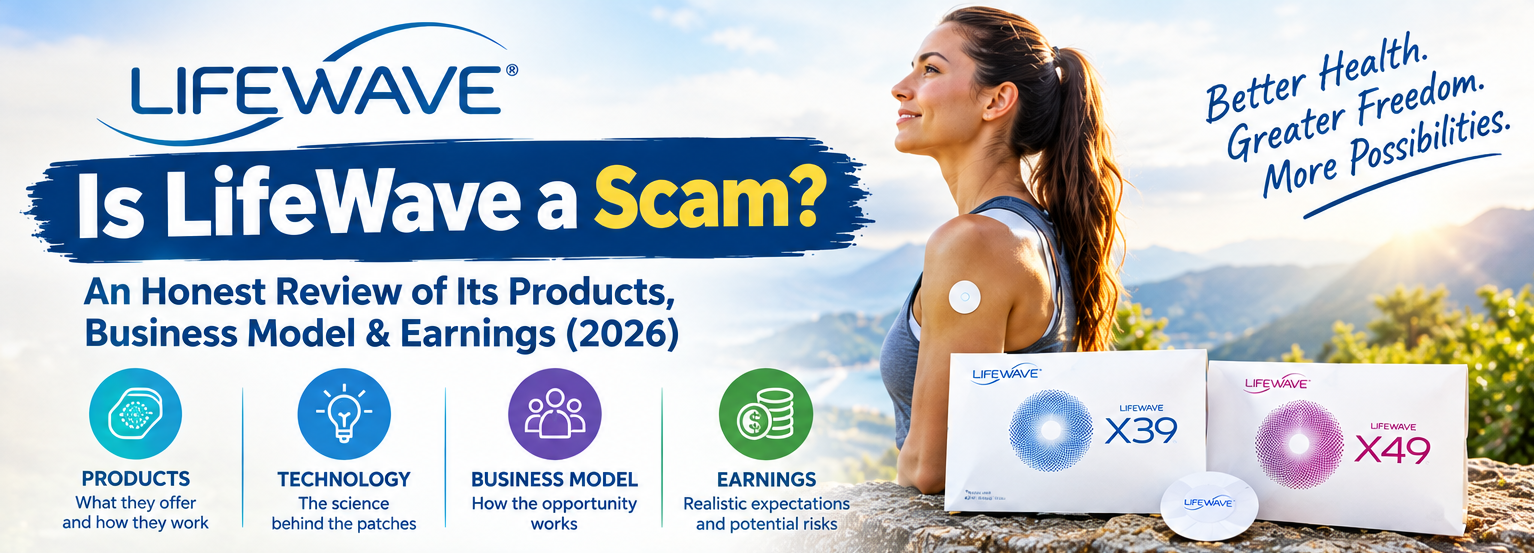
Is LifeWave a Scam? An Honest Review of Its Products, Business Model And Earnings (2026)

Published On - October 26,2026

Introduction: Is LifeWave a Scam?

If you are researching Is LifeWave a scam?, you are probably trying to understand whether the company's wellness products are worth considering and whether its Brand Partner business opportunity is realistic. These are reasonable questions to ask before buying products or investing time and money in a direct-selling business.

LifeWave is a wellness company that markets wearable patches and other wellness products through a direct-selling model. Brand Partners may promote products to customers and participate in a compensation plan. However, questions about product evidence, income expectations, and marketing claims deserve careful attention.

The important distinction is that concerns about specific product claims or earnings promises do not automatically establish that an entire company is a scam. At the same time, a company's existence, published product information, or testimonials should not be treated as proof that every health claim is scientifically established or that joining will be profitable.

In 2026, the U.S. Federal Trade Commission (FTC) also took action against two high-level LifeWave participants over alleged deceptive income claims. That development makes it especially important to distinguish official company information from individual distributors' promotional statements.

This review examines the available information so prospective customers and Brand Partners can make a more informed decision.

1. What Is LifeWave?

LifeWave is a wellness company known for wearable patches marketed using its phototherapy-related technology. Its product range and business opportunity are presented on the official LifeWave website.

The company promotes products for different wellness interests, including vitality, activity, sleep, movement, and skin care. Specific products have their own intended uses and instructions, which customers should read before purchasing.

LifeWave also operates through a Brand Partner model. Participants may promote products and, subject to the applicable compensation plan, qualify for commissions or other incentives.

These two aspects should be evaluated separately:

  • Products: Are the products suitable for your needs, reasonably priced, and supported by evidence for the specific benefits being claimed?
  • Business opportunity: Are the costs, compensation rules, sales expectations, and likely financial outcomes clear and realistic?

A customer may be interested in a product without joining the business. Similarly, someone considering the business should evaluate its financial requirements independently of personal product experiences.

2. What Does LifeWave Claim About Its Wellness Patches?

LifeWave describes certain patches as non-transdermal and uses the term phototherapy to explain its product technology. The company provides information about its products and scientific rationale on its official website.

However, understanding a company's explanation is not the same as establishing that every advertised health benefit has been demonstrated.

When reviewing a patch or wellness product, look for evidence relating to the exact product, the specific claimed outcome, and the people who participated in the research. A laboratory finding, proposed biological mechanism, or personal testimonial does not by itself prove that a product produces a meaningful health benefit in everyday use.

The FTC's Health Products Compliance Guidance explains that health-related advertising claims should be truthful, not misleading, and supported by adequate scientific evidence. It also explains why testimonials alone are not sufficient to substantiate health-benefit claims.

Before buying LifeWave products, consider these questions:

  • Is the advertised benefit clearly defined?
  • Is there reliable research on the exact product rather than just a related ingredient or mechanism?
  • Were the studies conducted independently and in appropriate human populations?
  • Are limitations and uncertainties explained?
  • Does the seller avoid suggesting that the product diagnoses, treats, cures, or prevents disease without appropriate evidence?

If a Brand Partner makes a medical claim, ask for credible evidence and consult a qualified healthcare professional when appropriate. Do not replace prescribed treatment with a wellness product based on a sales presentation.

3. What Is the LifeWave MLM Business Model?

LifeWave uses a direct-selling model in which Brand Partners can promote products and may qualify for compensation under the company's plan. Depending on the current rules and a participant's eligibility, compensation can involve product sales, team-related activity, ranks, or bonuses.

This structure is not, by itself, enough to determine whether an opportunity is financially sound. The practical question is how participants are compensated and whether their results are based on genuine product demand.

A prospective Brand Partner should request the current compensation plan and understand:

  • The cost of joining, if any, and any ongoing expenses.
  • Whether purchases are required to qualify for commissions or maintain a rank.
  • How customer sales are documented.
  • What sales or activity thresholds apply.
  • Whether there are recurring purchase expectations.
  • What the refund, cancellation, and product-return policies say.
  • How commissions and bonuses are calculated.

Recruitment presentations may emphasize exceptional success stories. Those examples do not establish what a typical participant can expect to earn. Business expenses also matter: product purchases, shipping, marketing, travel, training, and other costs can reduce or eliminate a participant's net profit.

For additional background, readers can explore the MLMScores website and compare available information about direct-selling companies and their business models.

4. Important 2026 FTC Developments Involving LifeWave Income Claims

One significant development deserves attention when evaluating LifeWave's business opportunity.

On April 27, 2026, the FTC announced action against Steven and Gina Merritt, two high-level participants in LifeWave. The agency alleged that they used deceptive earnings claims to recruit people into the business. According to the FTC's announcement, an order settling the allegations prohibited the two individuals from misrepresenting, or helping others misrepresent, how much people could earn from business ventures.

The FTC's complaint cited LifeWave's 2024 income disclosure statement. According to the figures reproduced in that complaint, 79% of active Brand Partners did not receive commission payments from LifeWave for sales during 2024. The complaint also reported that the average annual earnings for U.S. Brand Partners active at any time during that year were $651 before expenses. For participants at the lowest Brand Partner rank, it reported average annual earnings of $36 and median earnings of $0 before expenses.

These figures require context:

  • They relate to the year 2024, not necessarily later years.
  • They are figures cited in the FTC's complaint from the company's income disclosure statement.
  • They concern commissions and earnings before expenses, not guaranteed outcomes for every individual.
  • The FTC action concerned the named participants' alleged earnings representations; it should not be inaccurately described as a court finding that all LifeWave products or the entire company are a scam.

Nevertheless, the figures are important for anyone considering joining. They show why potential participants should examine income disclosures rather than relying on high-earning testimonials or promises of substantial weekly income.

Before joining, obtain the latest official income disclosure statement and review the percentage of participants who earn commissions, the distribution of earnings, and whether reported figures account for expenses.

5. Are LifeWave Products Scientifically Proven?

This question should be assessed product by product and claim by claim.

LifeWave publishes its own explanation of its technology and scientific rationale. Those materials can help consumers understand what the company says its products are designed to do. However, company-published material should not be treated as independent confirmation of every product claim.

Stronger evidence generally includes well-designed human studies that directly examine the product and the outcome being advertised. Independent replication can add confidence in a result. Personal stories, before-and-after posts, and claims that a product works for everyone are not substitutes for such evidence.

The FTC's health-products guidance emphasizes that objective health claims require adequate substantiation. The amount and quality of evidence needed depend on the claim being made.

Consumers should therefore be cautious if a salesperson claims that a patch can cure a disease, replace medication, guarantee a particular result, or produce benefits that have not been adequately demonstrated. Ask for evidence supporting the exact claim, not just general information about the technology.

6. Warning Signs to Watch for Before Joining LifeWave

The following warning signs are relevant to evaluating any direct-selling wellness business, including LifeWave:

  • Guaranteed or exaggerated income promises: Be cautious of claims that you will earn a specific amount, quickly replace your salary, or become wealthy simply by joining.
  • Unsupported health claims: Avoid relying on claims that a product treats serious medical conditions unless the claims are supported by appropriate evidence and are consistent with applicable regulations.
  • Pressure to purchase more than you need: Do not buy large quantities of products merely to qualify for a rank or satisfy pressure from a recruiter.
  • Unclear expenses: Request a complete breakdown of enrollment, product, shipping, marketing, and other recurring costs.
  • Reluctance to provide documentation: You should be able to review the compensation plan, income disclosure, product information, and refund policy before making a decision.

The FTC's Business Guidance Concerning Multi-Level Marketing explains that earnings and product claims must be truthful, not misleading, and adequately supported. It also stresses that income representations should reflect what participants are likely to achieve, taking expenses into account.

7. How to Evaluate LifeWave Before Spending Money

Use the following checklist before becoming a customer or Brand Partner:

  1. Read official documentation: Review the product information, current compensation plan, income disclosure, and company policies.
  2. Calculate total costs: Include product purchases, shipping, marketing, travel, and other business expenses.
  3. Check the evidence: Separate the company's explanation of its technology from independent evidence for specific health outcomes.
  4. Ask about typical results: Request documented earnings information rather than relying on exceptional success stories.
  5. Understand cancellation and refunds: Confirm the relevant conditions in writing before enrolling or purchasing products.
  6. Take time to decide: Do not let a recruiter pressure you into making an immediate financial commitment.
  7. Keep records: Save copies of agreements, receipts, product claims, and written representations about income.

A sensible decision should be based on verifiable information, realistic expectations, and your own financial circumstances.

Frequently Asked Questions

Is LifeWave a scam?

Available information does not justify automatically labelling the entire company a scam. However, consumers should carefully evaluate product claims and the business opportunity. The FTC's 2026 action against two high-level LifeWave participants over alleged deceptive earnings claims is an important reason to scrutinize income promises and consult the official disclosure.

Is LifeWave a legitimate company?

LifeWave operates a direct-selling business and publishes product and Brand Partner information. That does not independently validate every product claim or guarantee that joining will be profitable. Evaluate the product evidence, current policies, and financial disclosures separately.

Has the FTC taken action involving LifeWave?

Yes. In April 2026, the FTC announced action against two high-level LifeWave participants over alleged deceptive income claims. The settlement order addressed those individuals' representations about earnings. It should not be misrepresented as a finding that every LifeWave product or the entire company is a scam.

Can you make money as a LifeWave Brand Partner?

Some participants may receive commissions, but earnings vary and expenses can reduce or eliminate profits. The FTC's complaint cited the company's 2024 disclosure figures, which showed that most active participants did not receive commission payments for sales during that year. Review the latest disclosure before joining.

Are LifeWave patches scientifically proven to work?

The answer depends on the specific product and the particular benefit being claimed. Review reliable evidence for that exact claim and do not treat testimonials or a proposed mechanism as conclusive proof of health benefits.

Should I join LifeWave?

That decision depends on your goals, budget, understanding of the compensation plan, and assessment of the evidence. Review the costs and income disclosure, avoid unsupported promises, and do not spend money you cannot afford to lose.

Final Verdict: Is LifeWave a Scam?

The most responsible answer to “Is LifeWave a scam?” is to examine the evidence rather than rely on a blanket label. LifeWave operates a wellness-product and direct-selling business, but the quality of product evidence, the reliability of individual marketing claims, and the financial prospects of becoming a Brand Partner are separate questions.

The FTC's 2026 action involving two high-level participants highlights a concrete concern about earnings representations. The income figures cited in the complaint also show why prospective Brand Partners should examine typical outcomes and expenses instead of relying on exceptional success stories.

Before purchasing products, look for evidence supporting the specific benefits being advertised. Before joining the business, read the current compensation plan and income disclosure, calculate likely costs, and be wary of promises of guaranteed income.

An informed decision depends on documentation, realistic expectations, and independent evaluation—not testimonials alone.

https://lifewave.com/starbridge


Published By -Admin

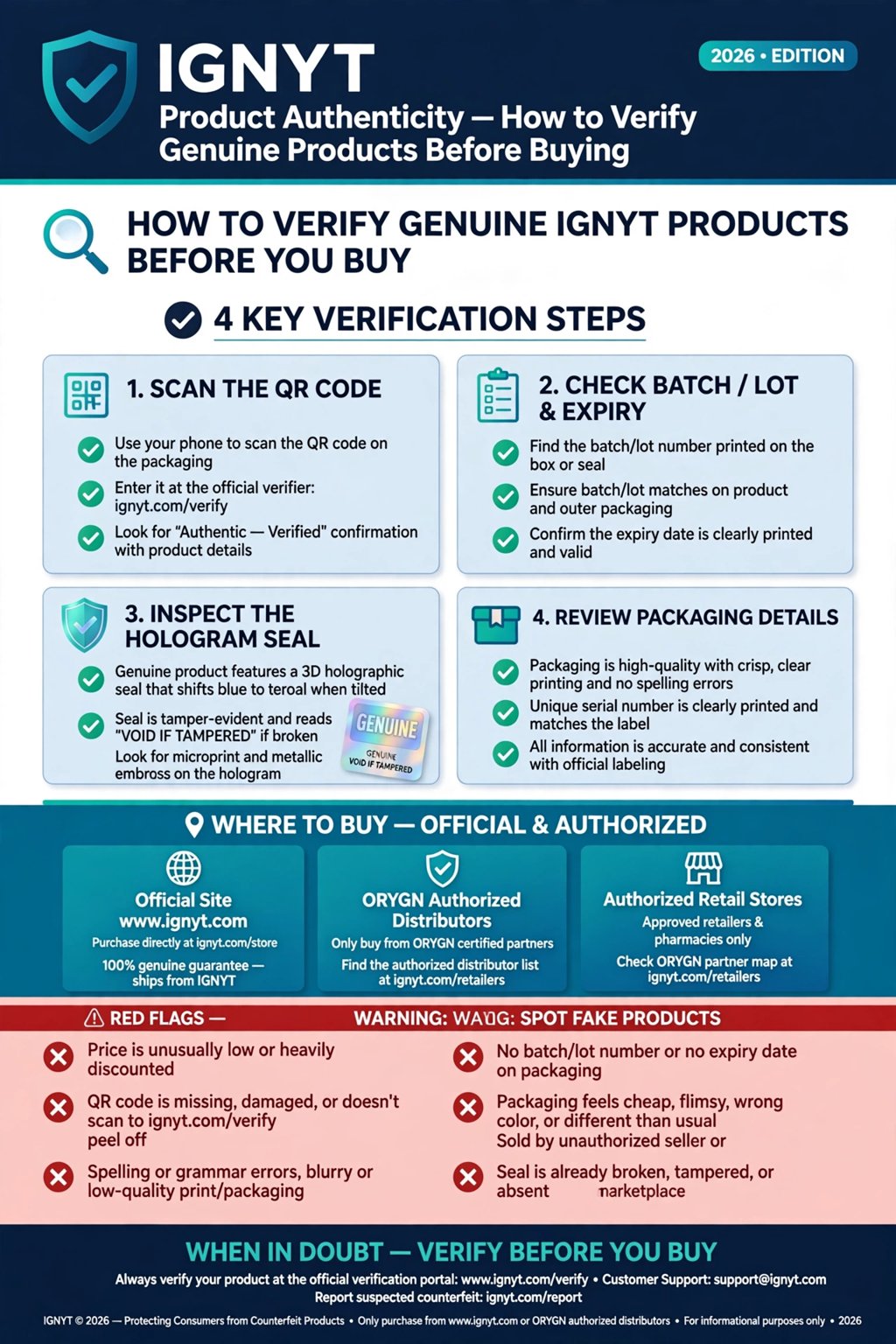
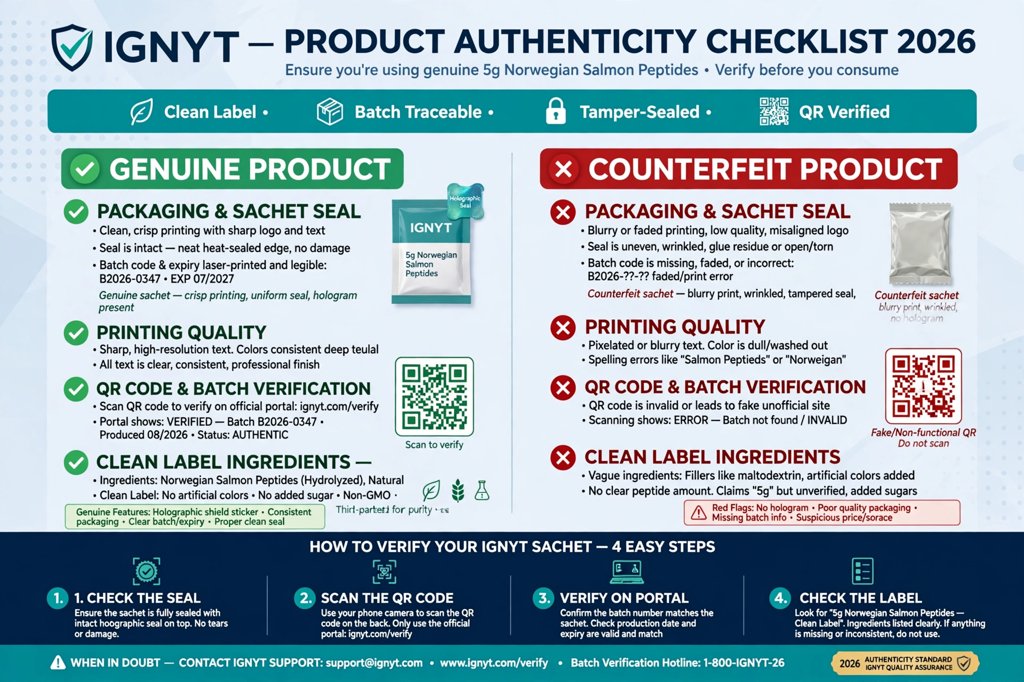
IGNYT Product Authenticity: How to Verify Genuine Products Before Buying

Published On - October 24,2026

When purchasing a wellness product, customers want to know whether the product they receive matches the manufacturer's description and comes through an appropriate sales channel. Packaging, labeling, order documentation, and seller information can all help customers investigate a product's authenticity.

People searching for IGNYT product authenticity may be concerned about counterfeit products, unclear product origins, damaged packaging, or differences between advertised and delivered items.

IGNYT is presented through ORYGN as a powdered wellness drink. However, a product description or an online advertisement alone cannot establish the authenticity of an individual package. Customers should verify the product through reliable company information and inspect the item they receive.

This guide explains how to check product details, what warning signs to investigate, and what steps to take if an IGNYT order appears questionable.

What Does Product Authenticity Mean?

Product authenticity refers to whether an item is genuinely associated with the stated manufacturer or brand and whether it matches the product represented by the seller.

Authenticity is different from product effectiveness. A genuine product is not automatically proven to deliver every advertised benefit. Similarly, a product's appearance alone cannot establish its safety, quality, or manufacturing history.

When evaluating IGNYT, consider three separate questions:

  • Authenticity: Does the product appear to come from a verifiable, authorized source?
  • Product quality: Is the package intact, properly labeled, and consistent with official product information?
  • Effectiveness: Is there reliable evidence supporting the product's specific claims?

Keeping these questions separate helps customers avoid treating a product's branding as proof of its performance.

1. Purchase Through a Verifiable Source

One of the first steps is to establish where the product is being sold.

Start with the official ORYGN website and verify whether the seller or distributor is recognized by the company. If purchasing through a distributor, ask how the order will be processed and whether you will receive an official order confirmation.

Before paying, verify:

  • The seller's identity and contact information.
  • Whether the seller is authorized, if authorization is required.
  • The product name and package size.
  • The total price and applicable shipping charges.
  • The payment recipient and order-processing arrangements.
  • The availability of an order receipt or confirmation.

These checks can reduce uncertainty, but purchasing from a recognized source does not independently prove every aspect of product quality.

Be cautious if a seller refuses to identify themselves, asks you to pay an unrelated person without explanation, or cannot provide basic order documentation.

2. Check the IGNYT Packaging

When your order arrives, examine the packaging before opening it.

Compare the product name, package size, label details, and general presentation with current official product information. IGNYT has been described as a powdered drink supplied in individual serving sachets, but packaging can vary by product version or market.

Do not assume that every difference proves a product is counterfeit. Packaging may change over time, and market-specific versions may have different labeling requirements.

If something looks unusual, compare it with reliable information from the company or ask the company to confirm whether the packaging is consistent with the current product.

Pay attention to:

  • Incorrect or inconsistent product names.
  • Spelling mistakes that appear unusual for official packaging.
  • Missing or unreadable product information.
  • Signs that a package has been opened or resealed.
  • Unexplained differences in package size or presentation.
  • Damaged sachets or evidence of leakage.

These are reasons to investigate, not conclusive proof of counterfeiting.

3. Verify Batch and Expiry Information

Batch identification can help a manufacturer trace a product to a particular production batch. Expiry or best-before information helps customers understand the product's stated usable period.

Check the package for a batch or lot number and the applicable date information. Confirm that the details are legible and that the packaging does not appear to have been altered.

If the batch number is missing, damaged, or inconsistent across the package, ask the company whether it can verify the product.

Do not assume that a printed batch number proves authenticity on its own. Such details may need to be confirmed through the manufacturer. Likewise, a product that has not expired is not automatically genuine or properly stored.

4. Review the Ingredient Label

The ingredient label is another useful point of comparison.

IGNYT has been described as a powdered wellness drink whose product information refers to bioactive peptides. That description alone does not establish the complete formulation, ingredient quantities, or labeling requirements for every market.

Compare the label on your package with the current official ingredient information applicable to your product.

Check whether the information is clear and whether the package includes relevant usage instructions, warnings, and storage details.

If the ingredient list differs from the information you were given, do not immediately conclude that the product is counterfeit. Product formulations and labeling can change, and requirements may differ across countries. Instead, request clarification from the company before using the product.

Do not consume a product if the label is missing essential information, the package appears tampered with, or you have unresolved safety concerns.

5. Be Careful With Unusually Low Prices

A price that is substantially lower than the price offered through recognized channels may justify additional investigation.

However, price alone cannot determine authenticity. Discounts, promotions, regional pricing, and shipping arrangements can affect the final amount.

Before purchasing a discounted IGNYT product, ask the seller to explain the price and provide verifiable ordering details. Compare the final cost, including delivery charges, with the current price information available through official channels.

Be particularly cautious if a seller combines an unusually low price with pressure to pay immediately, incomplete product information, or an unwillingness to provide an order receipt. Avoid making a purchase solely because a seller claims the discount will disappear within minutes.

6. Verify the Product After Delivery

Once the product arrives, compare it with the order confirmation.

Check that the product name, quantity, and package size match what you purchased. Inspect the outer carton and individual sachets for damage or signs of tampering.

Photograph the package if you notice a discrepancy. Keep the shipping label, receipt, and other order documentation until you are satisfied that the order is correct.

If the product differs from the advertised item, contact the seller or company through a verifiable official channel. Explain the discrepancy clearly and ask for instructions. Do not discard the packaging before the issue is resolved, because the company may need identifying information to investigate the matter.

7. Understand the Difference Between Authenticity and Safety

An authenticity check is only one part of responsible product evaluation.

Even if a package is genuine, consumers should still review the ingredients, directions for use, warnings, and available evidence supporting the product's claims. For a wellness drink, the suitability of the product may depend on its formulation and an individual's circumstances.

If you have a medical condition, take medication, have relevant allergies, or are pregnant or breastfeeding, consult a qualified healthcare professional when appropriate.

Do not interpret a genuine brand name, an intact package, or a positive testimonial as proof that a product is safe for every person. Similarly, do not rely on IGNYT as a substitute for prescribed medical treatment.

8. Watch for Misleading Online Listings

Online listings may contain incomplete descriptions, outdated images, or claims that are not supported by official product information.

Before ordering IGNYT online, check whether the listing clearly identifies the product and seller. Look for consistency between the advertised item and the details provided at checkout. Review the return terms before paying and retain a copy of the listing or order confirmation where practical.

Be cautious if an advertisement:

  • Promises guaranteed health outcomes.
  • Uses dramatic before-and-after claims without reliable supporting evidence.
  • Makes unsupported statements about medical conditions.
  • Does not identify the product's seller.
  • Requests payment through an unexplained or suspicious arrangement.
  • Uses urgency to discourage questions or verification.

These signs do not establish that a particular listing is fraudulent, but they justify additional caution.

9. What Should You Do if You Suspect an Inauthentic Product?

If you believe an IGNYT package may not be genuine, take a methodical approach:

  • Step 1: Stop using the product if there are safety concerns. Do not consume it if the packaging appears tampered with, the contents look unusual, or essential product information is missing.
  • Step 2: Preserve the evidence. Keep the packaging, sachets, receipt, order confirmation, and photographs of the issue.
  • Step 3: Contact the seller. Explain what you noticed and request clarification about the product's source.
  • Step 4: Contact the company through an official channel. Ask whether the product details, batch number, or packaging can be verified.
  • Step 5: Review your available options. Check the applicable refund, return, and complaint procedures. If you suspect fraud, consider reporting it through the appropriate consumer-protection or payment-provider channel in your jurisdiction.

Avoid publicly accusing a seller of counterfeiting without sufficient evidence. Describe the facts you can document and allow the issue to be investigated.

10. Questions to Ask Before Buying IGNYT

Before placing an order, consider asking:

  1. Is this product being sold through a verifiable source?
  2. Can the seller provide a proper order confirmation?
  3. Does the product have clear batch and date information?
  4. Can the company confirm unusual packaging or labeling?
  5. Is the ingredient list consistent with current official information?
  6. Are the price and shipping charges clearly stated?
  7. What happens if the item arrives damaged or differs from the listing?
  8. Are the product's marketing claims supported by reliable evidence?

Clear answers can help you decide whether you have enough information to proceed.

Frequently Asked Questions

How can I verify IGNYT product authenticity?

Start by checking the seller, order documentation, packaging, batch information, and current official product details. If you remain uncertain, ask the company to verify the specific product.

Does official-looking packaging prove that IGNYT is genuine?

No. Packaging is one useful indicator, but appearance alone cannot conclusively establish authenticity. Manufacturer verification may be necessary.

Is a discounted IGNYT product necessarily counterfeit?

No. Discounts can have legitimate explanations. Investigate unusually low prices alongside the seller's identity, product details, payment arrangements, and order documentation.

What should I do if my IGNYT package has no visible batch number?

Contact the seller or company before using the product. Ask whether the package is consistent with the current product and whether its batch information can be verified.

Does an authentic IGNYT product guarantee the advertised results?

No. Authenticity and effectiveness are different questions. Specific product claims should be assessed using reliable evidence relevant to the finished formulation.

Conclusion

Checking IGNYT product authenticity involves more than looking at a logo or comparing package photographs. Customers should verify the seller, review order documentation, inspect the packaging, check batch and expiry details, and seek confirmation from the company when something is unclear.

These steps can help identify potential problems, although no single check guarantees authenticity or product effectiveness.

Before purchasing, rely on verifiable information, keep your transaction records, and avoid sellers who discourage reasonable questions. If a product arrives damaged or appears suspicious, preserve the evidence and seek clarification before using it.

https://0.orygn.co/ignyt


Published By -Admin

ZILARA Commission Plan 2026: Complete Earnings Guide

Published On - October 20,2026

Introduction

ZILARA offers a product-based business opportunity through which partners can earn commissions from product sales and may qualify for additional rewards by developing a customer base and building a team. The company's official compensation plan describes six income streams designed around retail sales, customer growth, team activity, leadership development, and qualifying product orders.

Understanding the commission structure is important for anyone considering the opportunity. Before joining, it is helpful to learn how each earning method works, what activity is required, which bonuses are available, and how personal performance affects eligibility.

This guide explains the main features of ZILARA's published compensation plan using information from its official website and compensation document.

1. What Is the ZILARA Commission Plan?

According to ZILARA's official compensation plan, its earning structure is based on product sales and six potential income streams. These include Retail Rewards, Community Commissions, Team Commissions, Leadership Match, STAR Bonuses, and Leadership Bonuses.

Each stream has its own conditions. Some commissions are available through personally referred customer purchases, while others require specified personal volume, team activity, or leadership qualifications.

The company uses Business Volume (BV) to calculate and allocate qualifying product activity. BV is a plan-specific measure, so it should not automatically be treated as equal to a particular cash amount.

Read the official ZILARA compensation plan for the complete terms and qualifications.

2. Retail Rewards: 30% Commission

Retail Rewards are the most straightforward earning method described in the plan.

According to the published plan, partners can earn a 30% commission on qualifying orders placed by personally referred customers. This retail commission does not require personal volume, a rank, monthly orders, or team building.

The basic process is:

  1. Share your referral link with potential customers.
  2. A customer places a qualifying product order through your referral.
  3. The order generates a retail commission under the plan's rules.

Retail Rewards apply to customer orders, not orders placed by affiliates or distributors. The actual commission depends on eligible orders and the official calculation rules.

For example, if an eligible order has a commissionable basis of 100 units, a 30% commission on that basis would equal 30 units. This is a mathematical illustration, not a statement about the retail price or cash value of a specific ZILARA order.

3. Community Commissions

The Community commission structure is designed to reward qualifying Business Volume across a two-position-wide matrix that can extend up to 15 levels.

The published plan specifies a 5% commission per eligible level, calculated on the first 10 BV of each qualifying order. The number of levels from which a participant can earn depends on their activity qualification.

The plan describes these personal-volume thresholds:

  • 10 BV: Retail Rewards plus Community Levels 1–15.
  • 50 BV: Retail Rewards, Community Levels 1–15, and eligibility for Team Commissions.
  • 100 BV: Access to the full compensation structure, including eligibility for STAR, Leadership Match, and Leadership Bonuses, subject to additional requirements.

These thresholds are based on the plan's rolling 31-day activity rules. The matrix structure and percentage rate do not guarantee that every participant will earn commissions at every level. Actual earnings depend on qualifying orders, organizational activity, and the relevant conditions.

4. Team Commissions: Binary Structure

The Team commission system uses two sides, commonly called the left team and the right team. Qualifying Business Volume accumulates on both sides.

Under the published plan, a completed cycle consists of 100 BV on the left and 100 BV on the right. The plan describes the payout as 10% of the weaker leg per cycle, with the stated volume-based calculation rules.

To qualify for Team Commissions, a participant must maintain 50 BV of personal volume.

The key factors are:

  • Building activity on both sides of the team.
  • Maintaining the required personal volume.
  • Generating eligible product-order volume.
  • Meeting the official cycling and payout rules.

The plan states that qualifying volume carries over between cycles while the account remains active. However, the amount earned depends on the weaker side and the actual qualifying volume. Building a large team alone does not guarantee a particular income.

5. Leadership Match

Leadership Match is designed to reward partners who develop qualified leaders within their organization.

Under this structure, eligible participants can receive a percentage of qualifying Community and Team Commissions generated by members of their organization. The applicable percentage depends on rank and generation level.

The published plan lists the following leadership-match percentages:

  • Gold: 10%
  • Platinum: 15%, plus 5% at the next applicable generation
  • Pearl: 20%, plus 5% at each of two additional applicable generations
  • Sapphire: 25%, plus 5% at each of three additional applicable generations
  • Ruby: 30%, plus 5% at each of four additional applicable generations
  • Emerald: 35%, plus 5% at each of five additional applicable generations
  • Diamond: 40%, plus 5% at each of six additional applicable generations
  • Double Diamond: 45%, plus 5% at each of seven additional applicable generations
  • Triple Diamond: 50%, plus 5% at each of eight additional applicable generations

These percentages describe the plan's rank-based matching structure, not a guaranteed percentage of all company sales. Leadership Match requires 100 BV personal volume and satisfaction of the applicable rank requirements.

6. STAR Bonuses

The STAR program is designed to reward qualifying customer and affiliate order activity across an organization.

According to the official plan, an order of at least 100 BV can generate one STAR Credit when it meets the applicable requirements. Credits accumulate within the STAR structure, and payouts depend on the grid filling according to the plan's rules.

The published STAR payout schedule is:

  • Level 1: $50
  • Level 2: $75
  • Level 3: $100
  • Level 4: $150 for Gold rank and above
  • Level 5: $200 for Platinum rank and above

To qualify for STAR earnings, participants must maintain 100 BV personal volume and meet the other applicable requirements.

The STAR structure resets monthly. Reaching a particular payout level is not automatic; it depends on qualifying orders, the placement of credits, rank eligibility, and the grid-filling conditions.

7. Leadership Bonuses

Leadership Bonuses are one-time rewards associated with achieving specified ranks.

The official compensation document lists the following bonus amounts:

  • Bronze: $100
  • Silver: $250
  • Gold: $500
  • Platinum: $1,000
  • Pearl: $2,000
  • Sapphire: $4,000
  • Ruby: $7,500
  • Emerald: $15,000
  • Diamond: $25,000
  • Double Diamond: $50,000
  • Triple Diamond: $100,000

The plan specifies that 50% of the bonus is paid after the rank achievement is verified. The remaining 50% is paid after the participant maintains the rank for three consecutive months, beginning with the month in which the rank was first achieved.

These are listed bonus amounts for qualifying rank achievements, not estimates of typical earnings. Eligibility depends on satisfying the rank requirements and maintaining the required activity.

8. Understanding Personal Volume and Qualification

Personal volume plays an important role in accessing the different commission streams.

The official getting-started guide explains that qualification is assessed over a rolling 31-day period. This means recent activity determines current eligibility rather than a simple calendar-month reset.

Before participating, it is important to understand:

  • The applicable personal-volume threshold.
  • Whether an order qualifies for commissions or bonuses.
  • The requirements for each rank.
  • The effect of inactivity on eligibility.
  • Any product-order costs and recurring commitments.
  • The rules governing refunds, cancellations, and commission adjustments.

You can review the official ZILARA getting-started guide for further information.

9. Is ZILARA Commission Income Guaranteed?

No. A published commission rate or bonus amount does not guarantee that a participant will earn that amount.

Actual results depend on customer demand, qualifying product orders, personal activity, team performance, applicable rank requirements, and business expenses. Product purchases and other costs can reduce or eliminate profit.

Before joining, prospective partners should read the complete compensation plan, understand the refund policy, and evaluate whether the opportunity makes sense for their circumstances. They should not borrow money or purchase products they cannot afford simply to qualify for a bonus.

Conclusion

The ZILARA compensation plan describes six potential earning streams: Retail Rewards, Community Commissions, Team Commissions, Leadership Match, STAR Bonuses, and Leadership Bonuses.

Each stream has different rules and eligibility requirements. Retail Rewards provide a way to earn through personally referred customer orders, while the other streams involve additional activity, organizational volume, or rank qualifications.

The best starting point is to understand the product offering, learn how commissionable volume is calculated, and review the official rules before making a financial commitment.

For the most accurate and complete information, consult the company's official compensation plan and confirm that its terms apply to your country and account.

Important notice: Commission percentages, bonus amounts, qualification rules, and payout conditions should be verified against the latest official ZILARA compensation plan. The figures in this article are not a guarantee of income or profit.

Official website: ZILARA.com

Understand the terms, verify the details, and make informed business decisions.

https://zilara.com/


Published By -Admin